
Low Back Pain and the Upper Cervical Connection: Why the Fix Isn’t Always Where It Hurts

Low back pain does not always start in the low back. The top two vertebrae in your neck set the foundation for how your entire spine aligns, and when they shift, your body compensates all the way down. That compensation can distort your posture and load your lower back unevenly, which is why some stubborn […]
MRI vs. Blair Upper Cervical X-rays: What Each One Actually Reveals About Your Neck
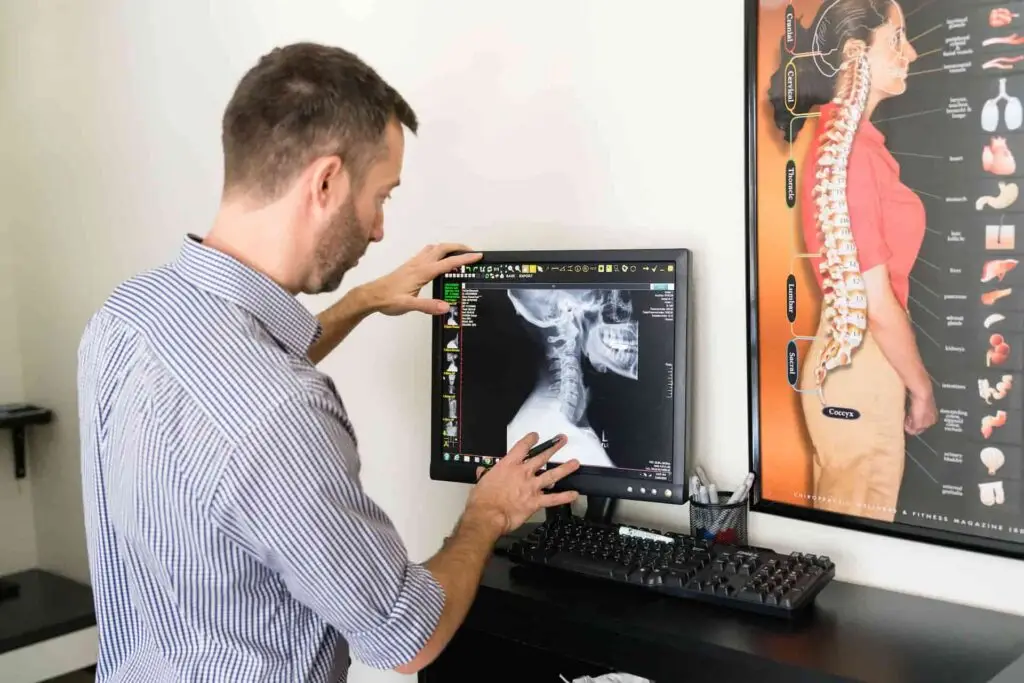
An MRI and Blair upper cervical X-rays answer different questions about your neck. An MRI is excellent at showing soft tissues like discs, nerves, and the spinal cord, which makes it valuable for spotting herniations and other damage. Blair X-rays are taken at angles specific to your anatomy to reveal exactly how your top two […]
Post-Concussion Syndrome: Why Lingering Symptoms May Be Coming From Your Neck

Post-concussion syndrome is when concussion symptoms like headaches, dizziness, and brain fog linger for weeks or even months after the original injury. What many people do not realize is that the same impact that caused the concussion often shifts the top vertebrae of the neck out of alignment. When that misalignment goes undetected, it can […]
Spinal Decompression vs. Back Surgery: A Non-Surgical Option for Disc and Sciatica Pain in Austin

Spinal decompression and back surgery both aim to take pressure off compressed discs and nerves, but they go about it in completely different ways. Decompression is a non-surgical treatment that gently stretches the spine to relieve that pressure, with no incisions and no recovery downtime. Surgery physically alters the structure of the spine and is […]
What Really Happens at Your First Blair Chiropractic Visit in Austin
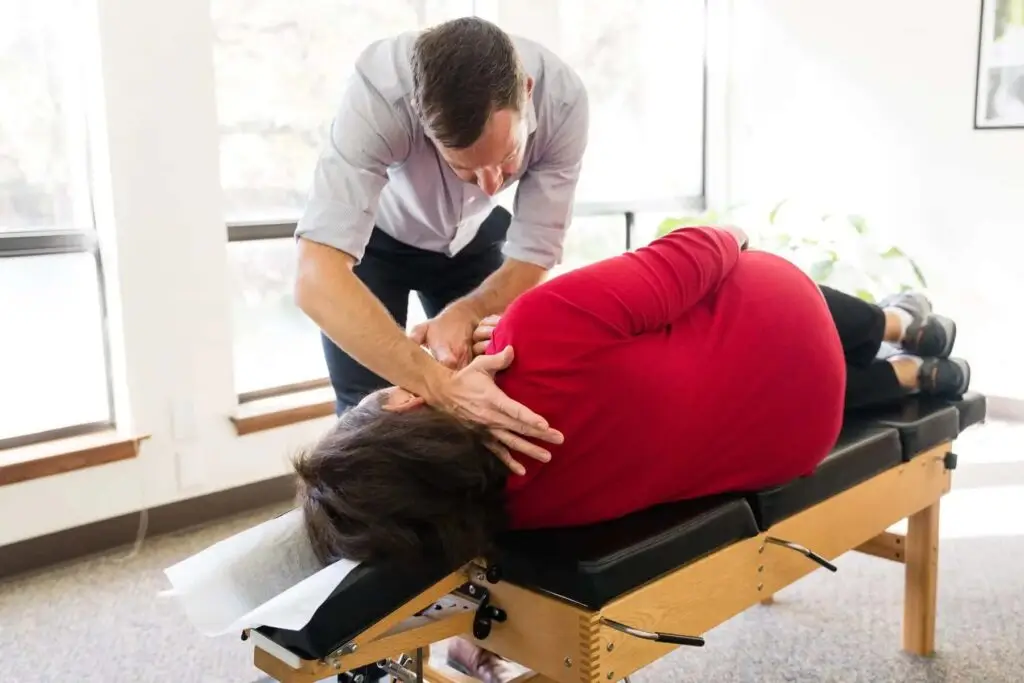
Your first Blair chiropractic visit at Full Life Chiropractic is mostly about gathering information, not adjusting you right away. We begin with a detailed health history and neurological exam, take a specialized X-ray series of your upper neck, and analyze those images to map your exact misalignment. Any correction comes only after we understand your […]
Whiplash vs. a Regular Stiff Neck: How to Tell the Difference After an Austin Car Accident
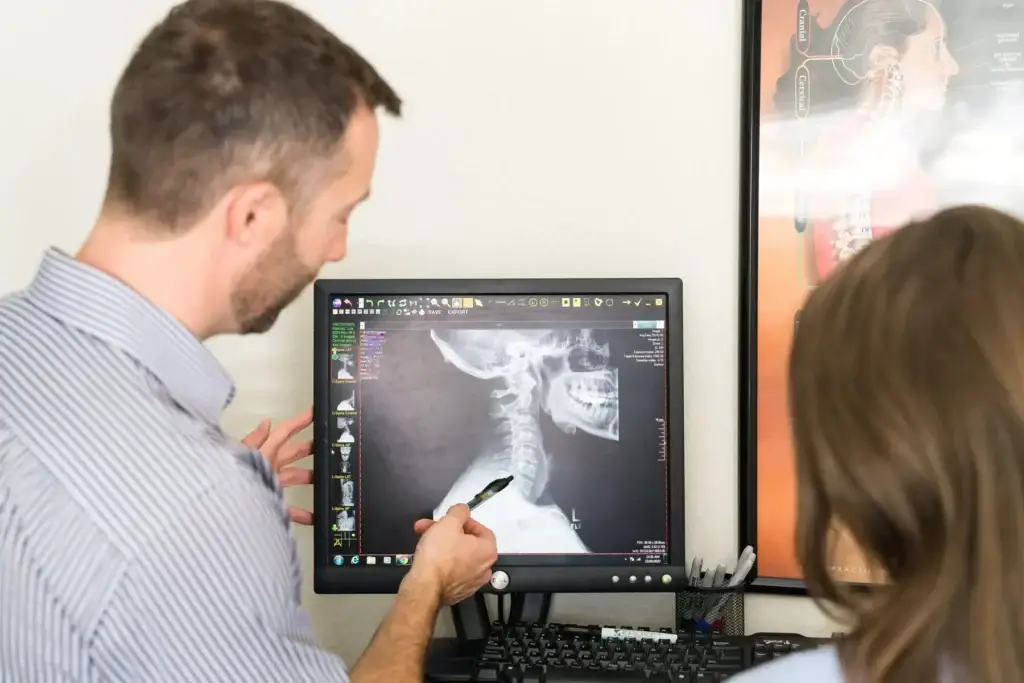
A stiff neck from sleeping wrong or stress usually eases within a few days and feels better as you move. Whiplash comes from a sudden force, often a car accident, and tends to bring delayed pain, headaches, dizziness, and stiffness that lingers or even worsens over the following days. The biggest difference is what is […]
The “Holding” Concept: Why a Good Upper Cervical Chiropractor Won’t Adjust You at Every Visit

A good upper cervical chiropractor will not adjust you at every visit, and that is intentional. Once your atlas and axis are corrected, the goal is for that correction to hold on its own. At each visit, we take objective measurements, and if your alignment is holding, no adjustment is needed. Constant adjusting often means […]
Herniated Disc vs. Bulging Disc: What’s the Real Difference (And Why It Changes Your Treatment)

A bulging disc and a herniated disc are not the same thing, even though the terms get swapped constantly. A bulging disc pushes outward while its tough outer wall stays intact, a bit like an underinflated tire spreading at the bottom. A herniated disc has an actual tear in that wall, which lets the softer […]
What Is Blair Chiropractic? Dr. Andrew Newell Explains
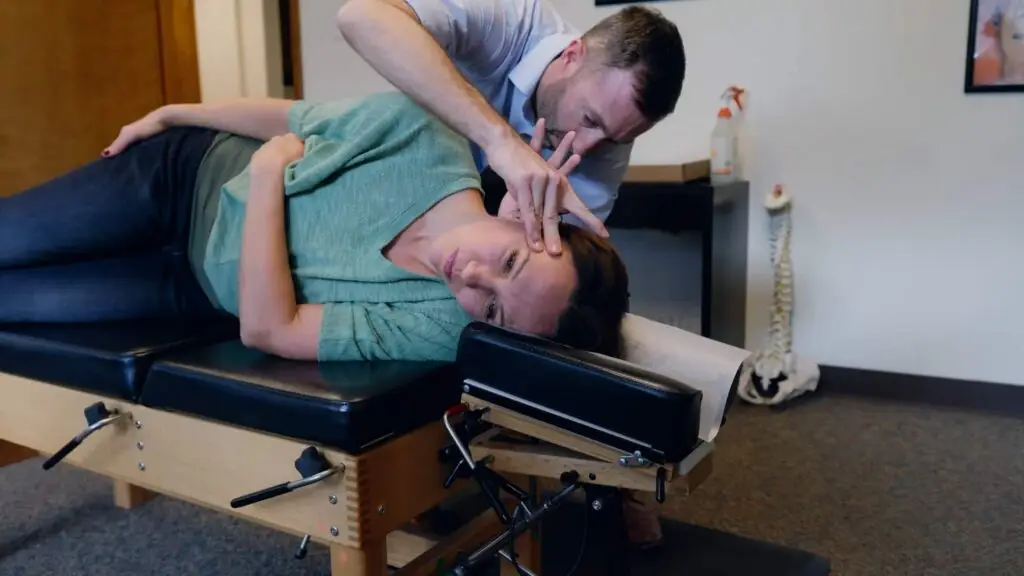
Blair chiropractic is a gentle upper cervical technique that focuses on the top two vertebrae in your neck: the atlas and the axis. Rather than relying on generic twisting or cracking, it uses a series of individualized X-rays to map your exact misalignment, then corrects it with a precise, low-force adjustment. Because these two bones […]
Occipital Neuralgia and Blair Chiropractic: Addressing the Structural Root Cause in Austin
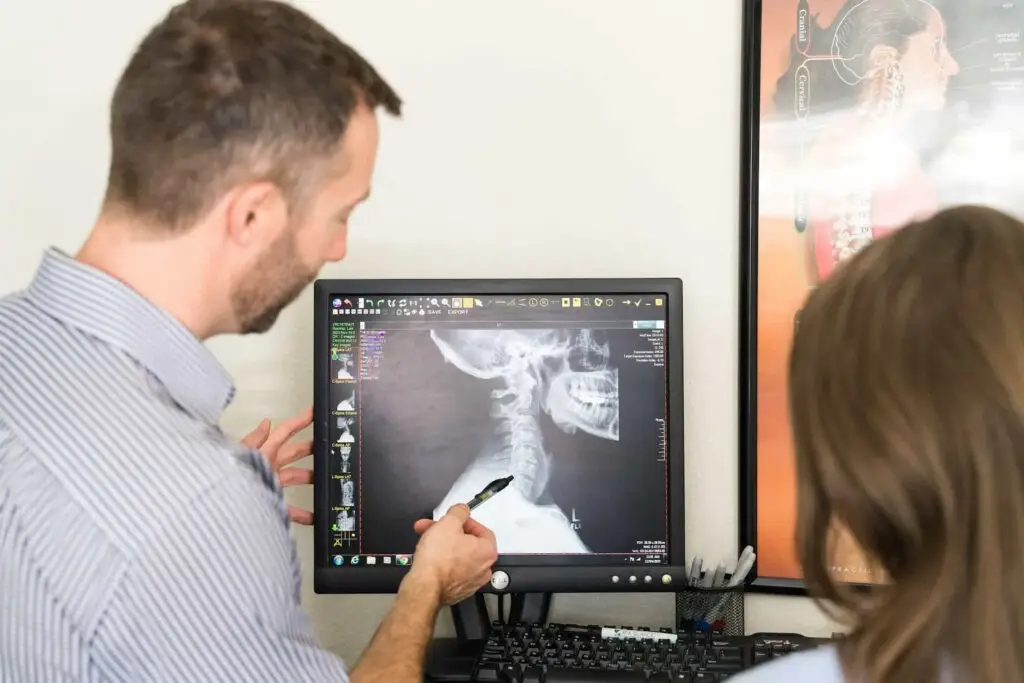
Occipital neuralgia – the sharp, shooting pain that starts at the base of the skull and radiates up over the back of the head – is frequently misdiagnosed as migraine or tension headache, which means many patients are being treated for the wrong condition for years. The occipital nerves emerge directly from the upper cervical […]