Non-Surgical Spinal Decompression in Austin
For patients dealing with disc herniation, sciatica, or chronic spinal compression, Full Life Chiropractic offers non-surgical spinal decompression as a drug-free path toward lasting relief in Austin. It is often most effective when paired with chiropractic adjustments as part of a complete care plan.
What Spinal Decompression Actually Does
When a disc is compressed, herniated, or bulging, the surrounding nerves feel it. The result is often deep, persistent pain in the back or neck, shooting pain into the leg or arm, numbness, and symptoms that rest and medication can quiet temporarily but never fully resolve.
Spinal decompression works by creating gentle negative pressure inside the disc space. That pressure reduction allows bulging or herniated material to retract toward the center of the disc, takes the load off compressed nerve roots, and creates the environment the disc needs to draw in the fluid and nutrients required for healing.
Spinal decompression works by creating gentle negative pressure inside the disc space. That pressure reduction allows bulging or herniated material to retract toward the center of the disc, takes the load off compressed nerve roots, and creates the environment the disc needs to draw in the fluid and nutrients required for healing.
- Non-surgical and drug-free
- Gentle and comfortable for most patients
- Addresses the disc directly, not just the symptoms
- Most effective when combined with chiropractic adjustments
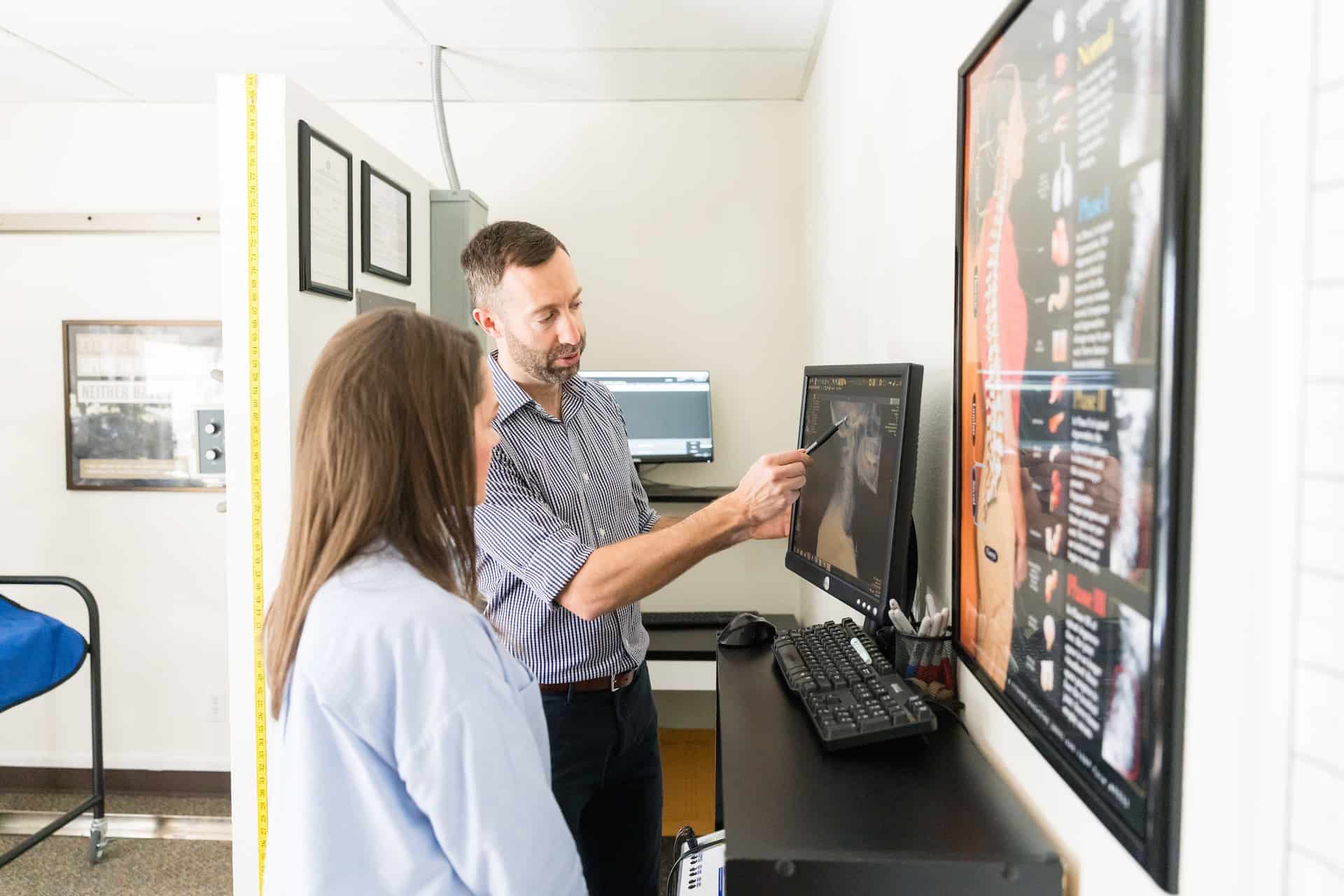
The Chattanooga Triton at Full Life Chiropractic in Austin
Full Life Chiropractic has two Chattanooga Triton spinal decompression units on-site. The Chattanooga Triton is a professional-grade decompression table used in clinical settings for disc and nerve conditions. It delivers controlled, computer-guided traction that creates precise negative pressure in the disc space, which is more consistent and better tolerated than manual traction.
The system allows Dr. Newell to customize the angle, force, and duration of each session based on the specific disc levels involved and how the patient responds over the course of treatment.
The system allows Dr. Newell to customize the angle, force, and duration of each session based on the specific disc levels involved and how the patient responds over the course of treatment.
- Computer-guided traction for consistent, precise sessions
- Customizable settings per patient and per disc level
- Two units on-site for flexible scheduling
- Sessions are comfortable, most patients find them relaxing
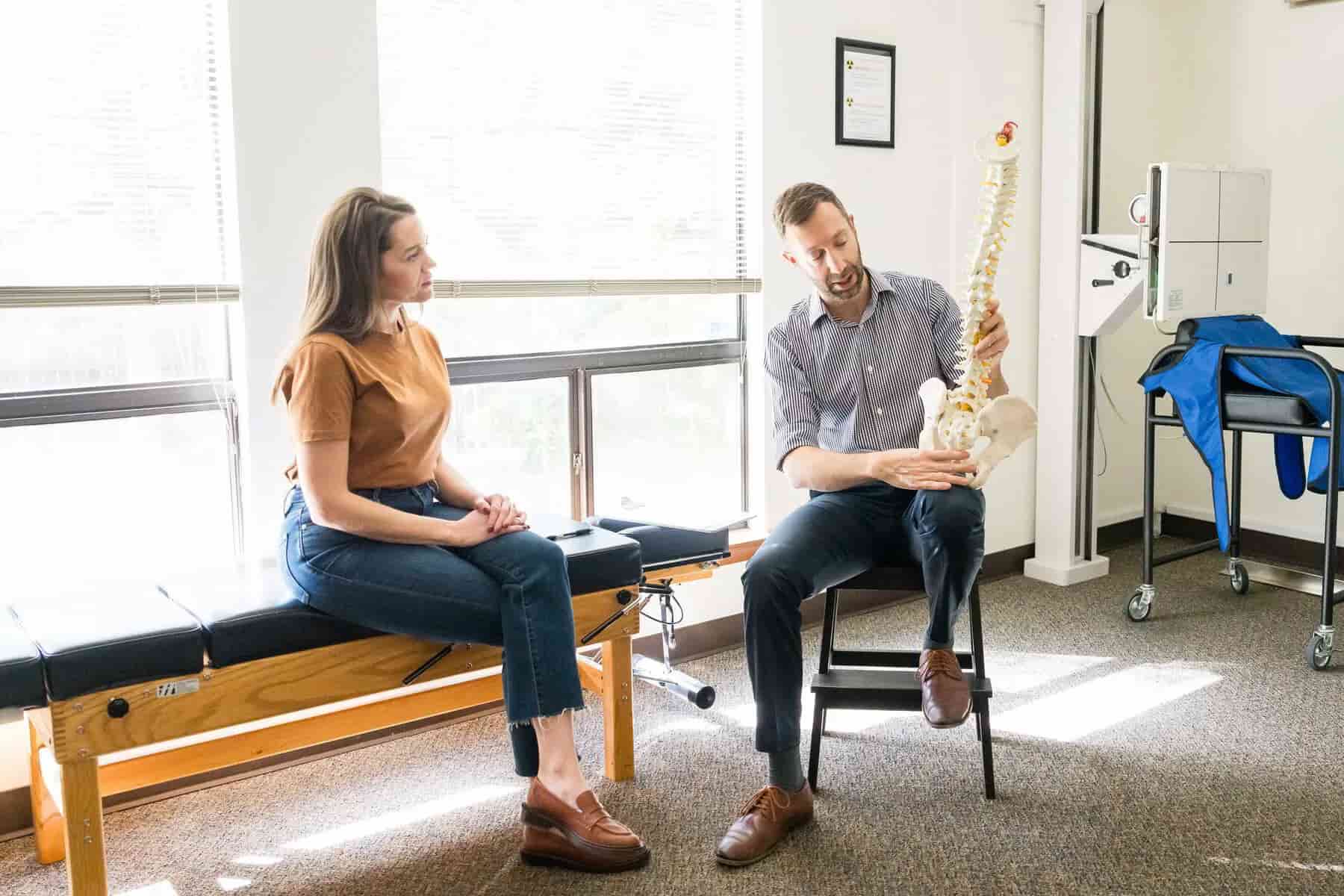
What to Expect During a Spinal Decompression Session
Decompression sessions are straightforward and comfortable. You remain fully clothed throughout.
1.
Dr. Newell reviews your case and identifies the specific disc levels being targeted
2.
You are positioned on the Chattanooga Triton table and a harness is fitted
3.
The table delivers gentle, rhythmic traction cycles over the course of the session
4.
Most patients feel a mild pulling sensation in the lower back or neck, not pain
5.
Sessions typically run 15 to 20 minutes
6.
There is no recovery time needed afterward
Most patients complete a series of sessions as part of a structured care plan. Dr. Newell determines the recommended number of sessions based on your specific case at the day three report of findings visit. Meaningful improvement is often felt within the first several sessions.
Conditions Spinal Decompression Helps in Austin
Spinal decompression is most effective for conditions driven by disc compression or nerve involvement. It is not appropriate for every back or neck condition, which is why Dr. Newell evaluates each patient before recommending it.
Herniated and Bulging Disc

Sciatica

Low Back Pain

Neck Pain

Degenerative Disc Disease

Spinal Stenosis

Chronic nerve compression unresponsive to adjustments alone
One note on candidacy: patients with fractures, severe osteoporosis, certain spinal implants, or active cancer in the spine are not candidates for decompression. Dr. Newell screens for these at the initial evaluation.
Who Is a Good Candidate for Spinal Decompression?
Decompression tends to work best for patients who have a confirmed disc problem and have not found lasting relief through adjustments, physical therapy, or pain management alone. It is a strong option for patients who want to avoid surgery or epidural injections and are willing to commit to a structured care plan.
- Chronic disc pain that has not fully responded to other conservative care
- Herniated or bulging disc confirmed by imaging
- Sciatica with leg pain, numbness, or tingling
- Neck pain or arm symptoms from cervical disc compression
- Patients wanting a non-surgical option before considering injections or surgery
- Post-surgical patients in some cases, evaluated on an individual basis
Better Results When Combined
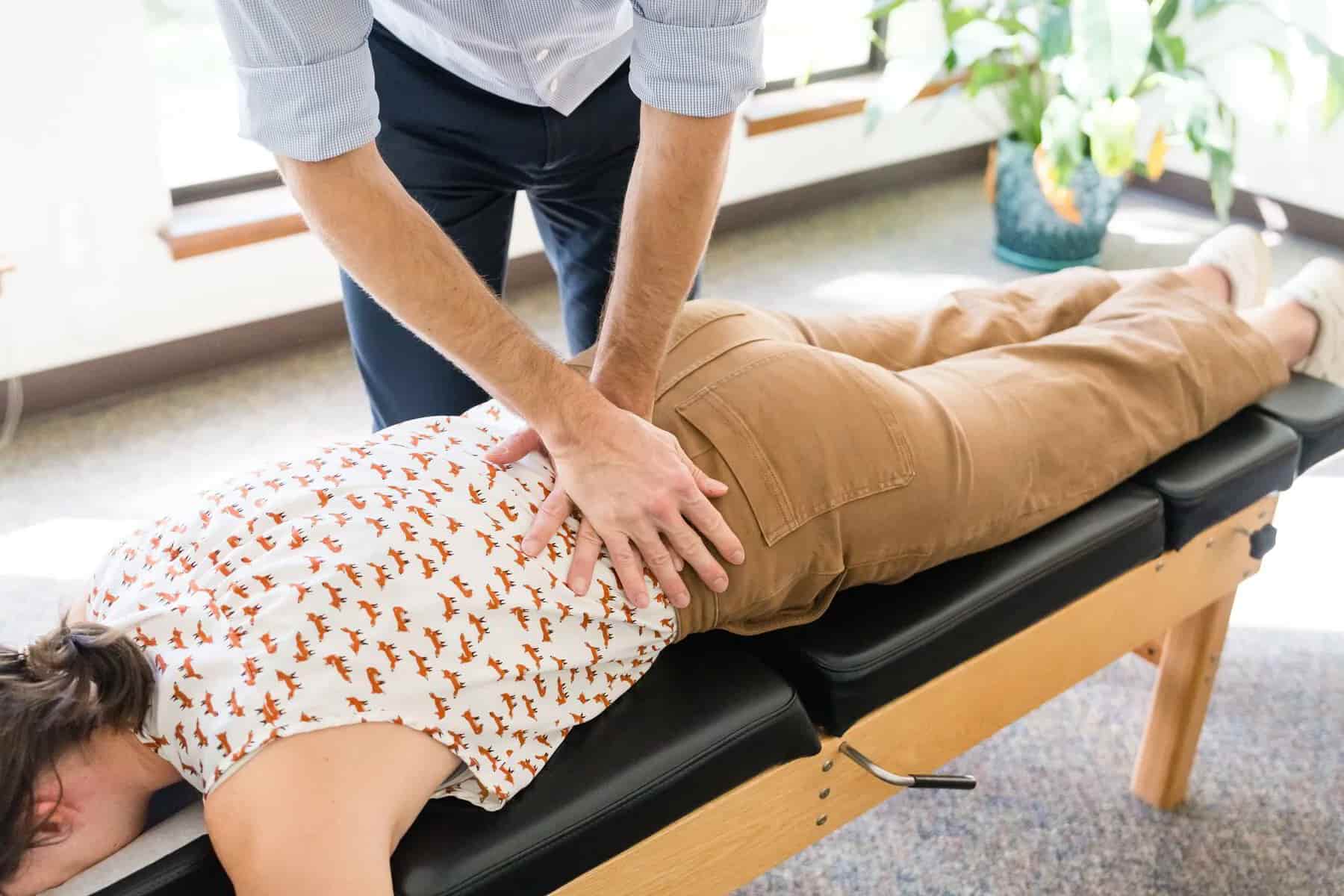
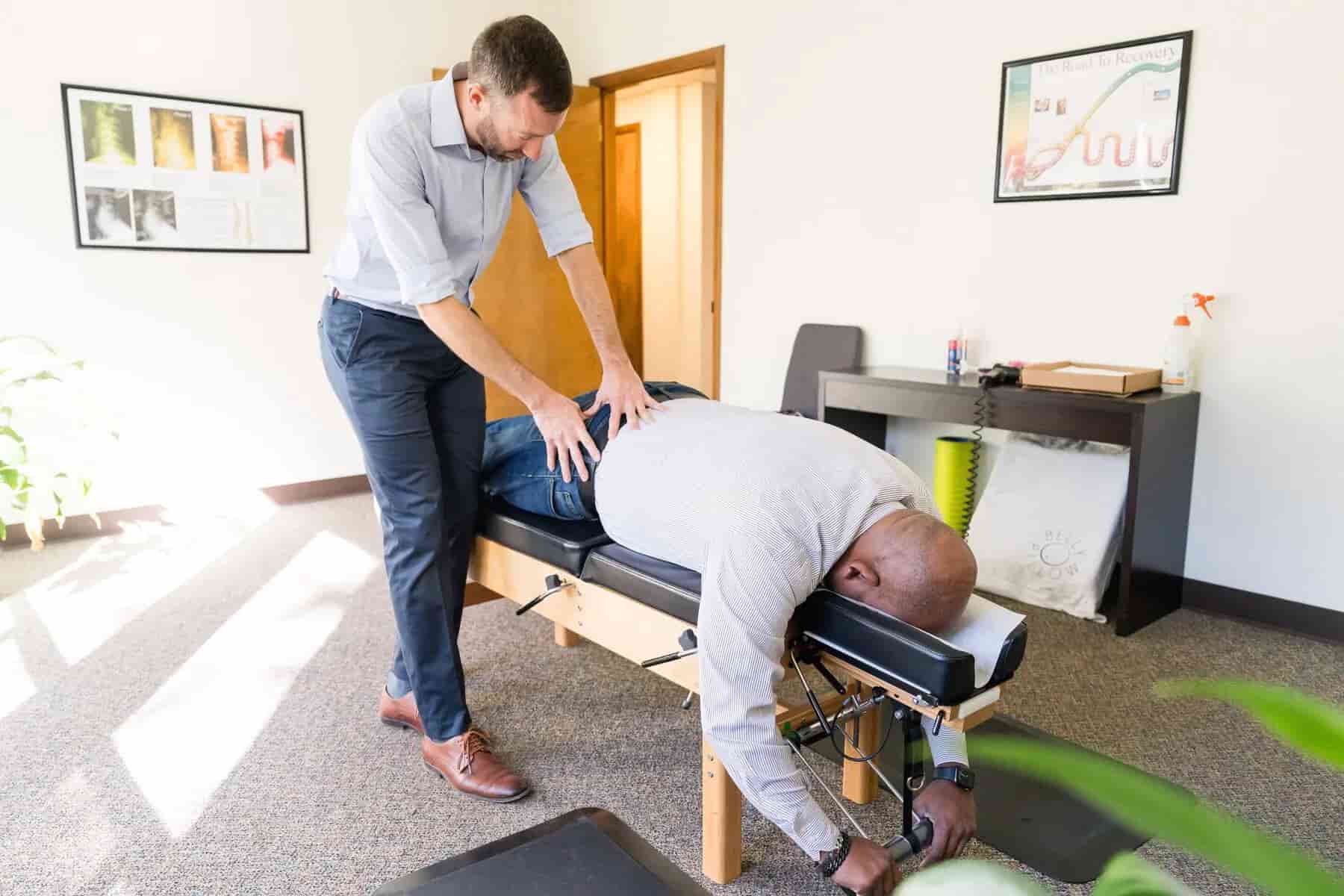
Spinal decompression addresses the disc directly. Chiropractic adjustments address the joint mechanics and nerve function surrounding it. Used together, they create a more complete healing environment than either approach alone.
At Full Life Chiropractic, decompression is always used as part of a broader care plan that includes Blair upper cervical or full-spine chiropractic care. The combination is particularly effective for sciatica and disc herniation cases where both the disc and the surrounding spinal mechanics are involved.
At Full Life Chiropractic, decompression is always used as part of a broader care plan that includes Blair upper cervical or full-spine chiropractic care. The combination is particularly effective for sciatica and disc herniation cases where both the disc and the surrounding spinal mechanics are involved.
- Decompression reduces disc pressure and nerve compression
- Blair and full-spine adjustments restore joint mechanics and alignment
- Combined approach addresses the full picture of the problem
Frequently Asked Questions About Blair Upper Cervical Chiropractic
Is spinal decompression painful?
No. Most patients find sessions comfortable and some describe them as relaxing. You may feel a gentle pulling sensation in the area being treated, but it should not be painful. If discomfort occurs, Dr. Newell adjusts the settings.
How many sessions will I need?
That depends on your specific case. Dr. Newell presents a recommended protocol at your day three report of findings visit. Most plans involve a series of sessions over several weeks.
How is this different from regular traction?
Standard traction applies a fixed pulling force. The Chattanooga Triton uses computer-guided cycles that alternate between distraction and relaxation, which prevents the muscle guarding response that limits the effectiveness of basic traction and allows the disc to decompress more effectively.
When will I start feeling results?
Many patients notice meaningful improvement within the first several sessions. Full results develop over the course of the care plan as the disc heals and the nerve inflammation reduces.
Can decompression be done on the same visit as a chiropractic adjustment?
Yes. In many cases Dr. Newell combines both in the same visit as part of a coordinated care plan.
Ready to Explore Non-Surgical Relief in Austin?
Full Life Chiropractic is located at 3355 Bee Caves Rd #603, Austin, TX 78746. Dr. Newell sees new patients outside of standard adjusting hours, so scheduling is flexible.