
Headache and Migraine Relief in Austin with Blair Upper Cervical Chiropractic
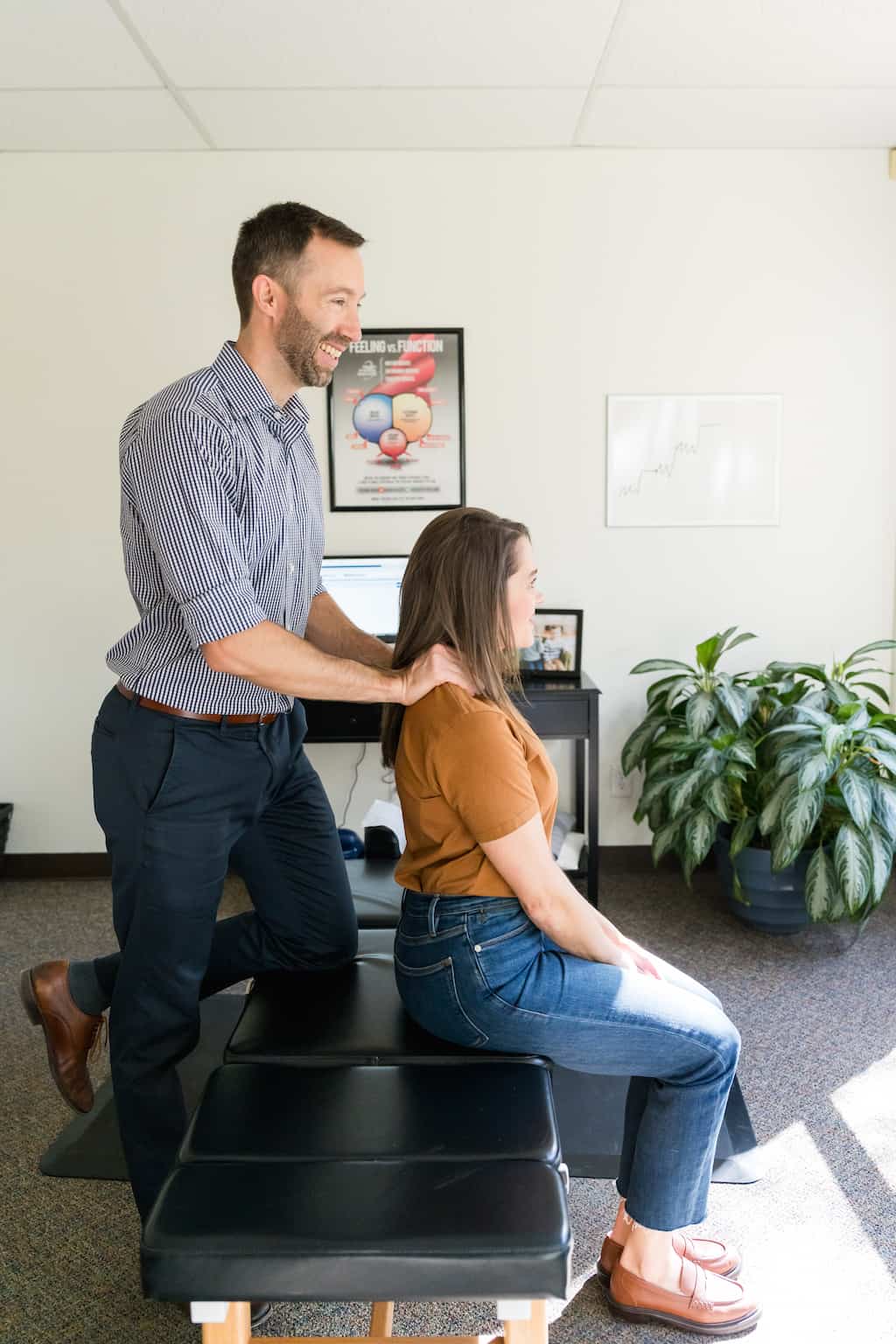
When Headaches Become a Way of Life
When the joints and muscles of the upper neck are under chronic strain, they generate pain signals that travel directly into the head through well-mapped nerve pathways. Medications quiet those signals temporarily. Blair upper cervical chiropractic addresses the structural source driving them.
- Dull pressure or throbbing that builds through the day
- Headaches that start at the base of the skull and wrap forward
- Pain behind the eyes or at the temples
- Headaches that correlate with neck stiffness or long periods at a screen
- Sensitivity to light or sound with severe episodes
The Neck-Headache Connection Most Patients Miss
The upper cervical spine, particularly C1, C2, and C3, is directly connected to the nerves that supply sensation to the head, face, and scalp. When these joints are restricted or the surrounding muscles are chronically tight, they generate referred pain patterns that feel exactly like a headache originating in the head. This is called a cervicogenic headache.
Beyond cervicogenic headaches, cervical dysfunction may also lower the threshold for migraine episodes in susceptible individuals. Common patterns that suggest cervical involvement include headaches that are worse after long periods at a desk or screen, headaches that improve with neck movement or heat on the neck, pain that starts at the skull base and radiates forward, and headaches that coincide with neck stiffness.
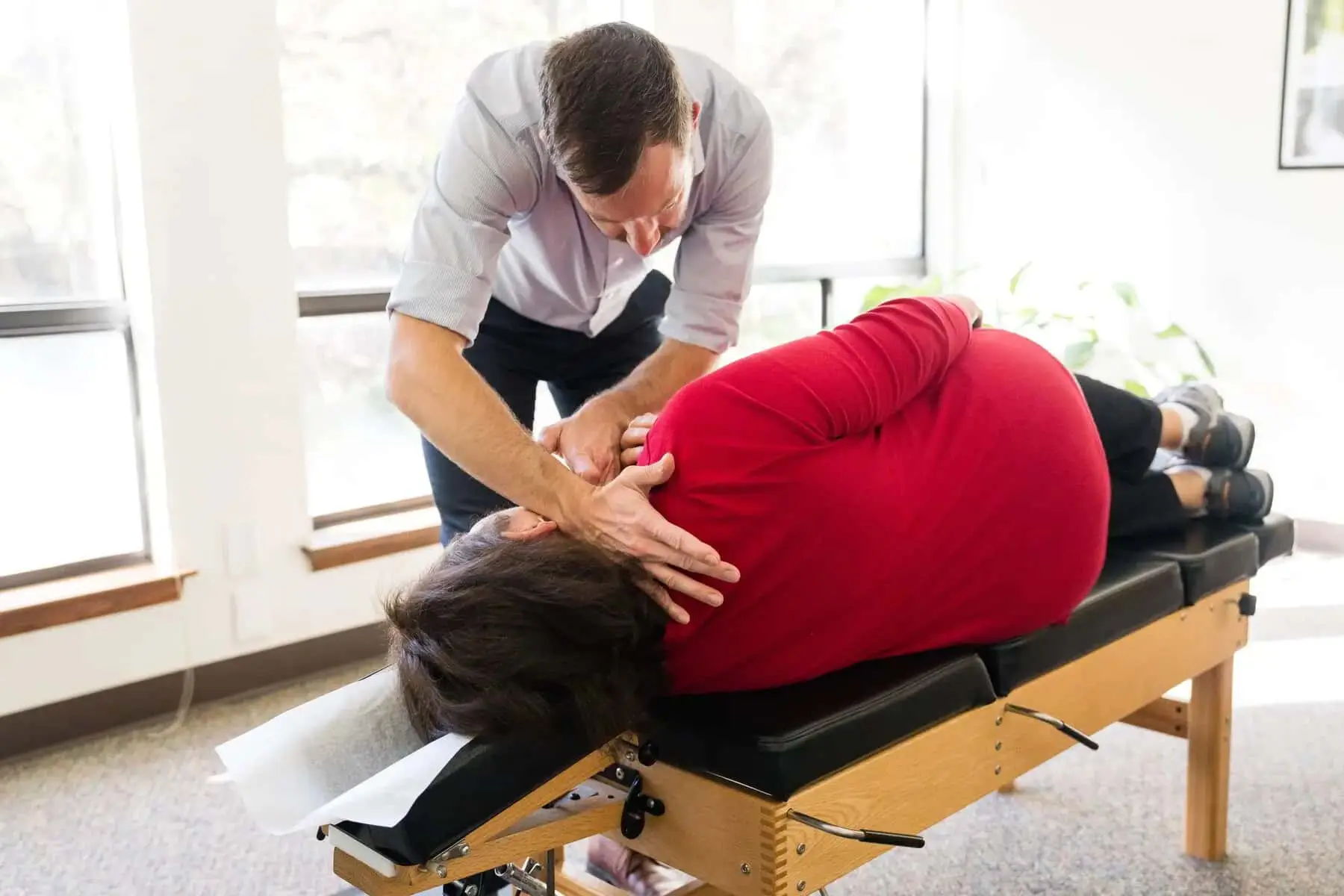
Types of Headaches Full Life Chiropractic Addresses
Tension Headaches
Cervicogenic Headaches
Migraines With a Cervical Component
Stress and Posture-Related Headaches
How Full Life Chiropractic Treats Headaches in Austin
Blair Upper Cervical Chiropractic
Full-Spine Chiropractic Techniques
What Your First Headache Evaluation Looks Like
- Detailed headache history covering onset, frequency, duration, location, and triggers
- Postural and cervical range of motion assessment
- Palpation of upper cervical joints and suboccipital muscles
- Neurological screening for red flags
- Blair X-ray analysis where indicated
- Care plan presented at day three
Tension and cervicogenic headaches often respond quickly, with patients noticing reduced frequency within the first few weeks. Chronic migraines with a long history may respond more gradually.
What You Can Do Between Visits to Reduce Headaches
- Screen height at eye level, monitor at arm's length, avoiding prolonged phone-looking-down posture
- Cervical pillow that keeps the neck in neutral alignment, avoiding stomach sleeping
- Consistent hydration throughout the day, dehydration is a well-established headache trigger
- Consistent sleep and wake times, irregular sleep is a common migraine trigger