
Low Back Pain Relief at Full Life Chiropractic in Austin
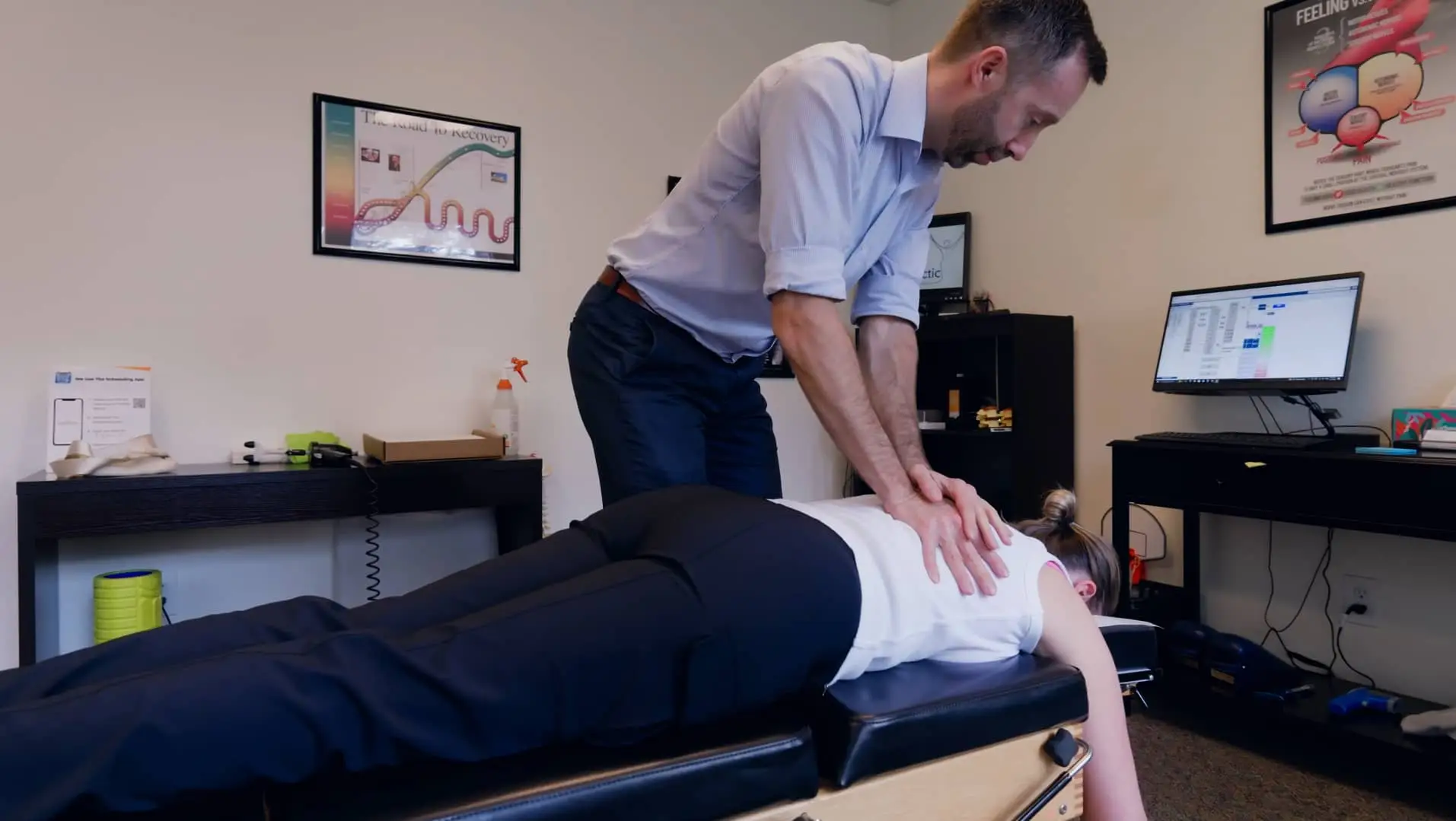
Why Low Back Pain Keeps Coming Back
The lumbar spine carries the full load of the upper body through a remarkable range of motion, which makes it vulnerable to the cumulative effects of modern life. When spinal joints lose their normal motion or position, the muscles around them guard and tighten, nerves get compressed or irritated, and the brain keeps generating a pain signal that stretching and ibuprofen can temporarily quiet but never actually resolve.
The reason most back pain keeps returning is that the underlying dysfunction was never fully corrected. Temporary relief is not the same as structural correction, and the difference matters enormously for long-term outcomes.
- Dull or aching low back pain that worsens with sitting or standing
- Sharp pain with specific movements like bending or twisting
- Stiffness that is worst in the morning
- Pain that radiates into the buttock or down the leg
- Limited range of motion affecting daily activities
Common Causes of Low Back Pain in Austin
- Lumbar joint restrictions and facet dysfunction from prolonged sitting or poor posture
- Muscle strains from lifting, twisting, or sudden movements the spine was not prepared for
- Sacroiliac joint dysfunction, a commonly overlooked cause of one-sided low back and hip pain
- Disc degeneration or herniation putting pressure on the nerves exiting the lower spine
- Weak core muscles that leave the lumbar spine without adequate support
- Old injuries that were never fully rehabilitated and have gradually worsened
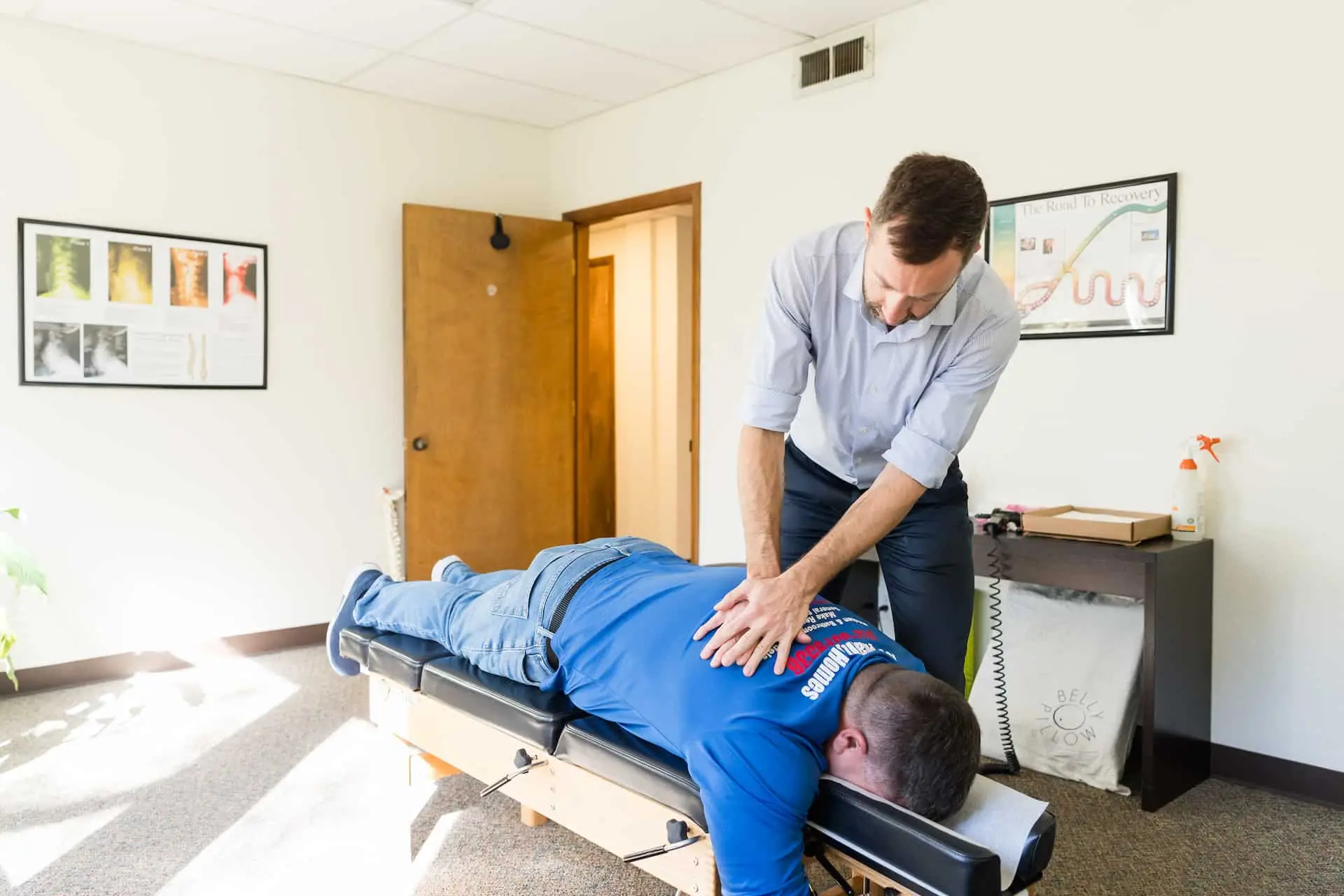
How Full Life Chiropractic Treats Low Back Pain in Austin
Chiropractic Adjustments
Spinal Decompression
Blair Upper Cervical Chiropractic
Acute vs. Chronic Low Back Pain - What That Means for Your Care
Chronic low back pain, present for months or years, is a different situation. The underlying dysfunction has had time to become structural. Compensatory movement patterns have developed throughout the spine and pelvis. Care for chronic low back pain takes longer, requires more consistency, and often involves lifestyle changes alongside in-office treatment. The good news is that even long-standing back pain responds well to chiropractic when the root cause is properly identified and addressed.
The Sciatica Connection
When low back pain travels into the buttock, down the back of the leg, or causes numbness, tingling, or weakness in the leg or foot, it is almost always a sign that a nerve is involved. Most commonly this is the sciatic nerve, which exits the lumbar spine at L4, L5, and S1. Chiropractic addresses the source of that compression rather than just the leg where the pain is felt.
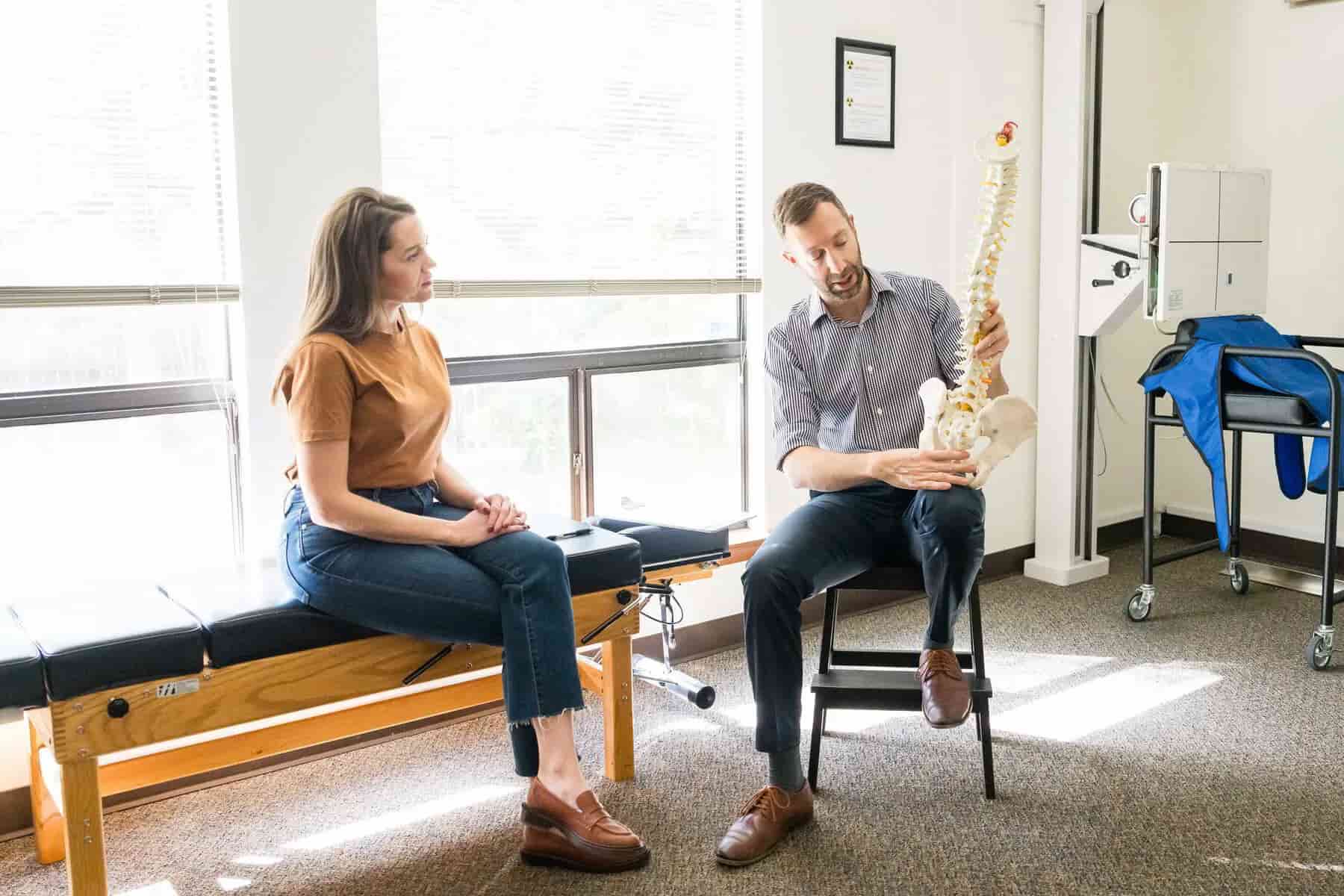
What to Expect at Your First Low Back Pain Visit
- Detailed health history focused on onset, patterns, and what makes the pain better or worse
- Postural and pelvic assessment
- Orthopedic and neurological testing
- X-ray analysis where indicated
- Care plan presented at day three
Acute low back pain often improves within a few visits. Chronic or recurring low back pain typically requires a more structured multi-week plan.