TMJ Pain and Jaw Dysfunction Relief in Austin with Blair Upper Cervical Chiropractic
The jaw and the upper cervical spine share nerve pathways and structural relationships that make TMJ dysfunction a natural fit for the Blair upper cervical approach. Full Life Chiropractic in Austin regularly sees TMJ patients whose symptoms improve significantly once C1 and C2 alignment is addressed.
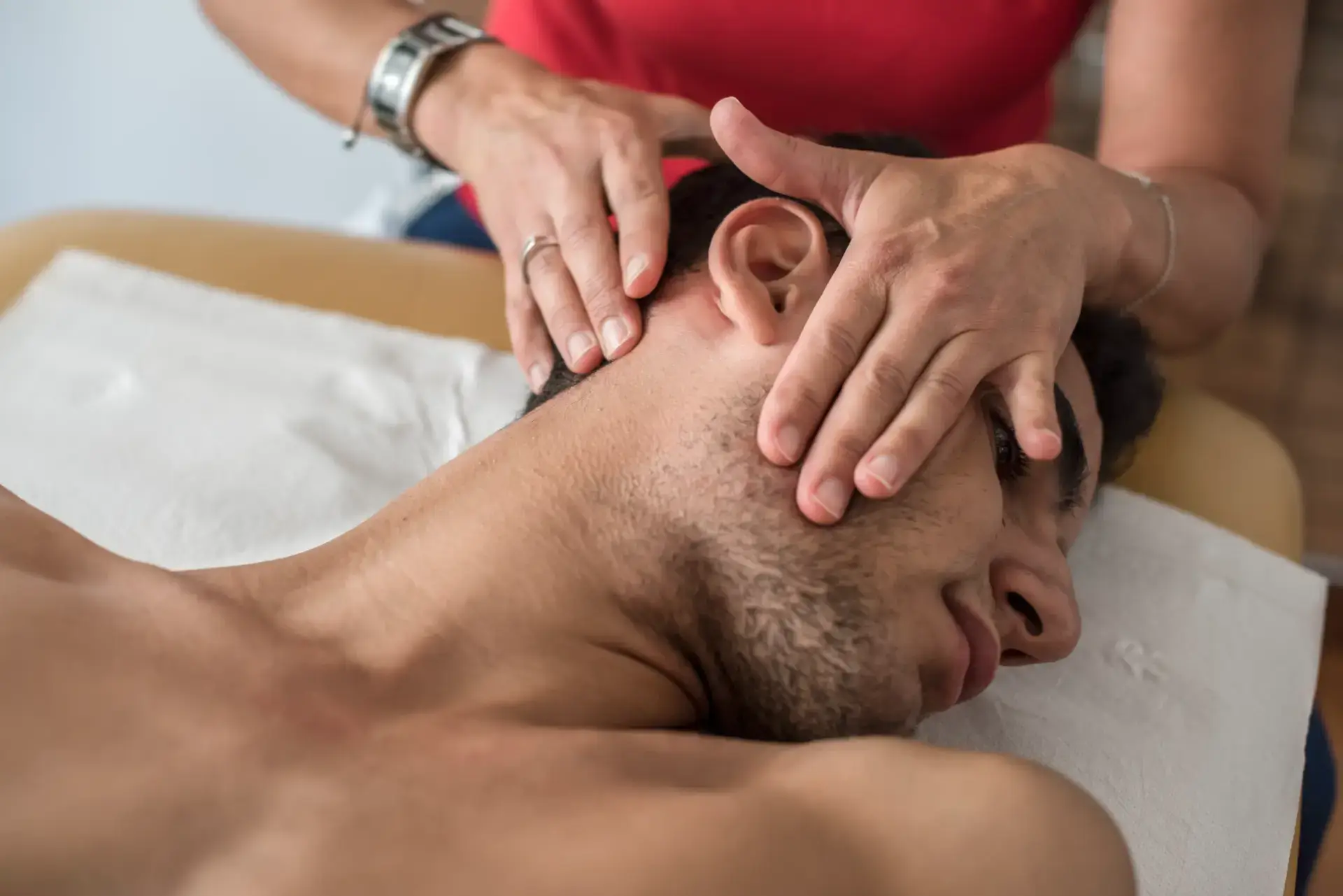
TMJ Chiropractor in Austin Tx
TMJ dysfunction is more than jaw pain. It is the clicking or popping when you open your mouth, the ache that spreads into the face, temple, or ear, the headaches that cluster around the jaw and skull base, the difficulty chewing or opening your mouth fully. For some patients it is a constant low-level discomfort. For others it flares unpredictably and affects sleep, eating, and concentration.
- Clicking, popping, or grinding in the jaw joint
- Pain or aching in the jaw, temple, ear, or face
- Headaches that cluster around the skull base or temples
- Difficulty opening the mouth fully or chewing comfortably
- Locking of the jaw in the open or closed position
- Neck pain or stiffness alongside jaw symptoms
The Upper Cervical Connection to TMJ
The trigeminal nerve, which supplies sensation to the jaw and face, has a direct anatomical connection to the upper cervical spine. The trigeminal nucleus extends down through the brainstem to the level of C2 and C3, meaning that misalignment at the atlas and axis can directly influence trigeminal nerve activity and contribute to jaw pain, facial tension, and TMJ symptoms.
Beyond the neurological connection, the muscles that control jaw movement, particularly the pterygoids and masseter, are influenced by the overall postural chain from the cervical spine through the skull. Forward head posture and upper cervical misalignment alter the resting tension of these muscles in ways that drive TMJ dysfunction over time.
Many patients who have worked with dentists, oral surgeons, or worn night guards without full resolution have never had the upper cervical component evaluated. That is exactly what Dr. Newell addresses.
Beyond the neurological connection, the muscles that control jaw movement, particularly the pterygoids and masseter, are influenced by the overall postural chain from the cervical spine through the skull. Forward head posture and upper cervical misalignment alter the resting tension of these muscles in ways that drive TMJ dysfunction over time.
Many patients who have worked with dentists, oral surgeons, or worn night guards without full resolution have never had the upper cervical component evaluated. That is exactly what Dr. Newell addresses.
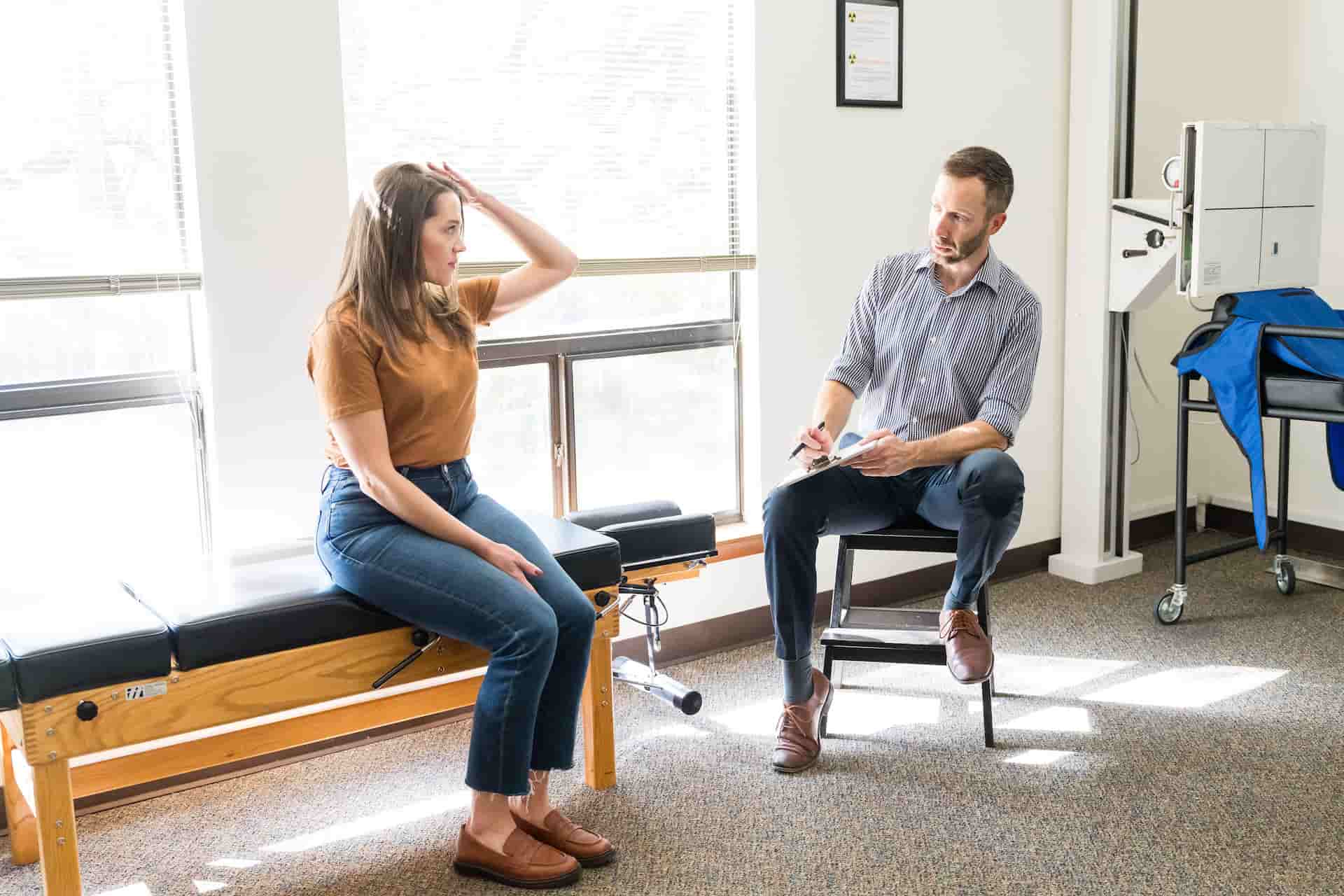
How Full Life Chiropractic Treats TMJ in Austin
Blair Upper Cervical Chiropractic
Blair analysis maps the exact misalignment of the atlas and axis and delivers a precise, low-force correction tailored to your individual anatomy. For TMJ patients, restoring normal C1 and C2 alignment removes the structural influence on the trigeminal nerve and the postural tension driving jaw muscle dysfunction. Many patients notice changes in their jaw symptoms within the first several visits following upper cervical correction.
Full-Spine Chiropractic Techniques
Forward head posture is one of the most common drivers of TMJ dysfunction and it involves the entire cervical and upper thoracic spine, not just C1 and C2. CBP Mirror Image Adjusting specifically addresses abnormal cervical curves and forward head posture. Thompson Drop and SOT are used where broader spinal involvement is identified.
What to Expect at Your First TMJ Evaluation
- Detailed history of jaw symptoms, onset, and associated headache or neck pain
- Assessment of jaw range of motion and joint mechanics
- Upper cervical palpation and neurological screening
- Postural and cervical range of motion assessment
- X-ray analysis where indicated
TMJ cases with a clear upper cervical component often respond well once the correction is in place. The timeline varies depending on how long the dysfunction has been present and whether structural dental changes have developed alongside the cervical problem.
Frequently Asked Questions About TMJ
Can a chiropractor actually help with TMJ or is that a dentist's job?
Both have a role. Dentists address the dental occlusion and joint structure directly. Chiropractors address the cervical and neurological components that drive the muscle tension and joint mechanics contributing to TMJ dysfunction. Many patients need both, and Dr. Newell coordinates with dental providers where appropriate.
Why does my jaw hurt and my neck hurt at the same time?
The trigeminal nerve’s nucleus extends from the brainstem down to C2 and C3, creating a direct neurological overlap between the jaw, face, and upper cervical spine. Misalignment at C1 or C2 can contribute directly to the muscle tension and nerve irritation driving both jaw pain and neck pain simultaneously.
I have been wearing a night guard for years and my TMJ is not improving. Could the problem be in my neck?
Possibly. Night guards address the dental and muscular component of TMJ dysfunction but do not address upper cervical misalignment or forward head posture. If you have had ongoing TMJ symptoms despite dental treatment, an upper cervical evaluation is worth pursuing.
Does Blair chiropractic involve adjusting the jaw directly?
No. Blair chiropractic corrects misalignment at the atlas and axis. The improvement in TMJ symptoms occurs through the neurological and postural changes that follow upper cervical correction, not through direct jaw manipulation.
How many visits before I notice improvement in my jaw symptoms?
Many TMJ patients notice changes within the first several visits following upper cervical correction. Full resolution depends on the complexity of the case and how long the dysfunction has been present.
Ready to Get Relief from TMJ Pain in Austin?
Full Life Chiropractic is located at 3355 Bee Caves Rd #603, Austin, TX 78746. Dr. Newell sees new patients outside of standard adjusting hours.