Sciatica is the sharp, shooting pain that travels from your lower back down through your leg, and it happens when something compresses or irritates the sciatic nerve. The most common cause is a herniated disc pressing on the nerve, though other spinal problems can trigger it too. The key to relief is finding what is compressing the nerve and taking the pressure off, rather than just chasing the pain down your leg.
What Sciatica Actually Is
Sciatica is not a diagnosis on its own. It is a set of symptoms caused by irritation or compression of the sciatic nerve, the longest nerve in your body.
This nerve runs from your lower back through your hips and buttocks and down each leg. When something presses on it, pain can radiate anywhere along that path.
The nerve itself is remarkably large, roughly the width of a finger where it exits the spine. Its size and length are part of why irritation anywhere along it can send symptoms across such a wide area. A small problem at the root can be felt all the way down to the foot.
That is why sciatica so often feels like a problem in your leg, even though the true source usually sits in your lower spine.
Common Causes of Sciatica
Several spinal problems can put pressure on the sciatic nerve. Knowing the cause is what makes lasting relief possible.
Pinpointing the specific cause is what separates lasting relief from temporary fixes. Two people with identical leg pain can have very different underlying problems, and the right care depends on which one you have.
The most frequent culprit is a herniated or bulging disc pressing on the nerve root. Other causes include spinal stenosis, degenerative disc changes, and misalignment that narrows the space the nerve travels through.
You can read more about disc-related causes on our herniated and bulging disc page. Identifying which of these is at work is the first real step toward fixing it.
What Sciatica Feels Like
Sciatica has a distinctive character that sets it apart from ordinary muscle soreness. The pain often travels, rather than staying in one spot.
People describe it as sharp, burning, or electric, sometimes shooting from the low back into the buttock and down the leg. It can come with numbness, tingling, or weakness in the affected leg.
The pattern also tends to be one-sided, following the path of the affected nerve down a single leg. That one-sided, traveling quality is one of the clearest ways sciatica stands apart from general low back soreness. Paying attention to how the pain moves can tell you a lot.
Symptoms frequently worsen with sitting, standing for long periods, or certain movements. That radiating, one-sided pattern is a strong clue that the sciatic nerve is involved.
Who Tends to Get Sciatica
Sciatica can affect almost anyone, but certain factors raise the odds. Age-related disc changes, a physically demanding job, and long hours of sitting all play a part.
Carrying extra weight adds load to the lower spine, and previous back injuries can leave the area more vulnerable. A sudden strain from lifting something the wrong way can also set it off.
Recognizing your own risk factors is useful, because it points to what may be driving the nerve compression in the first place.
Why Sciatica Is a Symptom, Not a Diagnosis
Treating sciatica as if the leg is the problem rarely works for long. The leg pain is the messenger, not the source.
Effective care means looking upstream to whatever is compressing the nerve in the spine. Once that pressure is relieved, the pain traveling down the leg typically settles.
This is why an accurate assessment matters so much. Chasing the symptom without addressing the cause leaves the real problem in place.
What Not to Do With Sciatica
When sciatica flares, a few common instincts can make things worse. Prolonged bed rest, for example, tends to stiffen the area rather than help it.
Pushing through intense pain with heavy activity is another mistake, as is ignoring symptoms in the hope they will vanish on their own. Masking the pain without addressing the cause simply lets the compression continue.
Gentle movement within comfort is usually better than complete rest, but the real answer is identifying and relieving whatever is pressing on the nerve.
How We Approach Sciatica in Austin
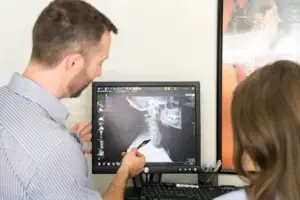
At Full Life Chiropractic in Austin, we start by identifying what is actually compressing the nerve rather than simply treating where it hurts. That begins with a careful history and examination.
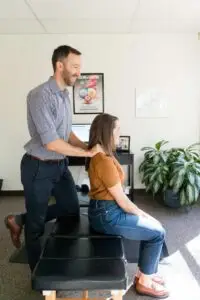
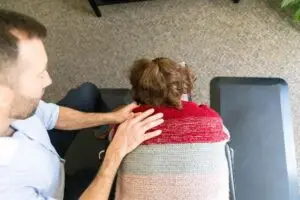
From there, care is aimed at relieving the pressure on the nerve and addressing the structural issue behind it. You can read more on our sciatica page.
The approach is gentle and specific, with the goal of resolving the cause so the pain does not simply keep returning.
How Spinal Decompression Helps
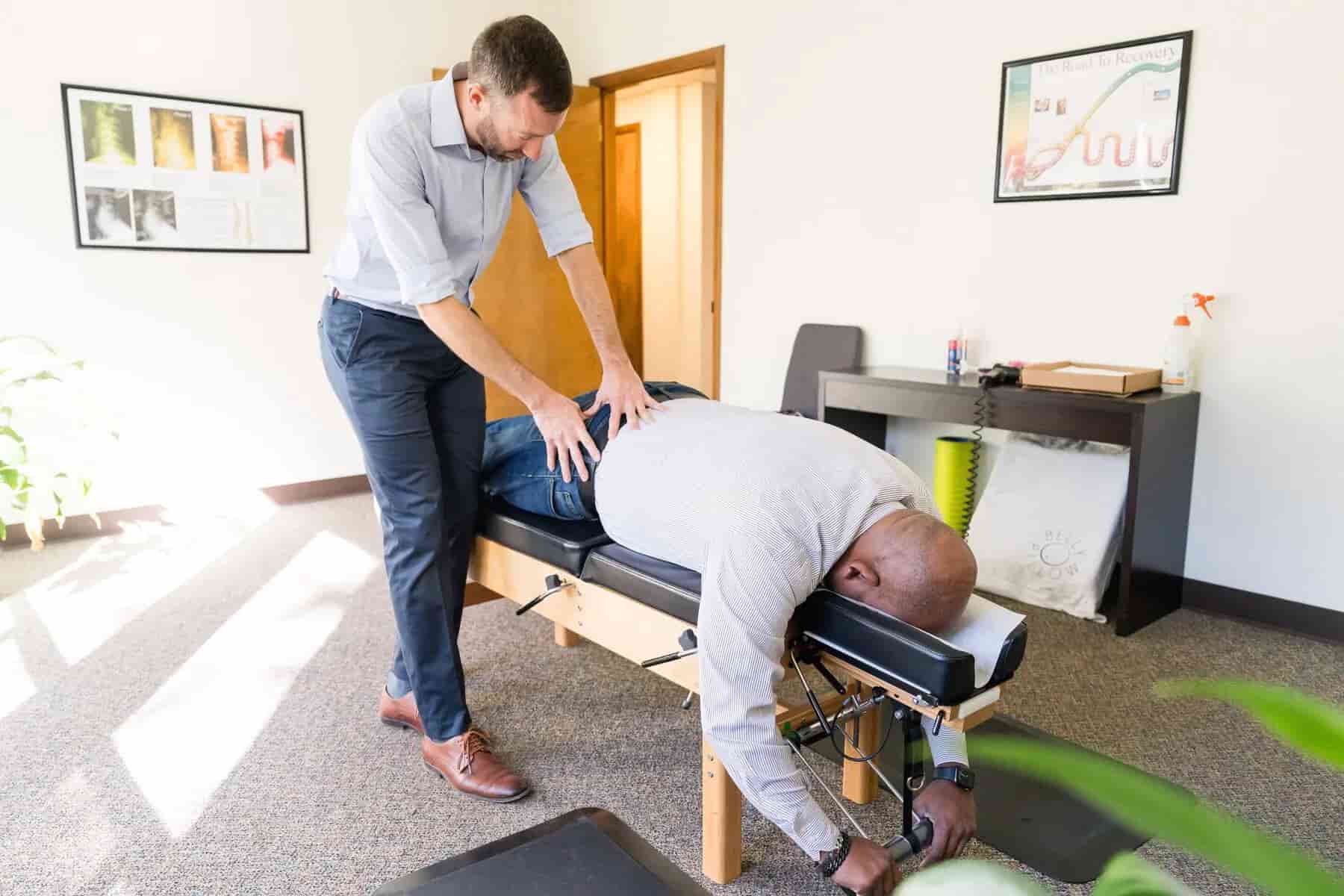
For sciatica driven by a disc problem, spinal decompression is often a strong option. It uses a specialized table to gently stretch the spine and create negative pressure in the disc space.
That change in pressure helps take compression off the affected nerve and gives the disc room to recover. For many people, it relieves the nerve irritation causing their leg pain.
You can learn more on our spinal decompression page. It is a non-surgical way to address the root of disc-related sciatica.
The Upper Cervical Connection
It may seem surprising, but the top of your spine can play a role in problems lower down. When the upper cervical spine is misaligned, your body compensates all the way to the lower back.
The spine works as one connected chain, so tension at the top can quietly change how you stand and move. Over time, those small compensations can concentrate stress in the lower back where the sciatic nerve begins. It is a reminder that the painful spot is not always the starting point.
That compensation can add uneven stress to the lumbar spine, where sciatica originates. Addressing alignment across the whole spine, not just the painful area, sometimes matters more than people expect.
This whole-spine perspective is part of what makes our approach different from treatment aimed only at the site of pain.
How Long Does Sciatica Last?
This depends heavily on the cause and how it is addressed. Some mild cases settle within a few weeks, while others linger for months when the underlying compression is never resolved.
Treating only the pain often means it fades and returns in a frustrating cycle. Addressing the structural cause is what gives sciatica a real chance to resolve rather than recur.
We avoid promising a fixed timeline, since every case is different, and instead track your progress with objective measures along the way.
When to Get It Checked
Occasional mild sciatica may ease on its own, but pain that persists, worsens, or comes with weakness deserves attention. The sooner the cause is identified, the simpler the path to relief tends to be.
Certain warning signs, such as significant weakness or loss of bladder or bowel control, need prompt medical care. Part of a good evaluation is recognizing when that applies.
If shooting leg pain has taken over your days, schedule a visit with Full Life Chiropractic in Austin or call 512-953-9612 to find the source.