Understanding TMJ Disorders
Your temporomandibular joints are the hinges that connect your jawbone to your skull, allowing you to speak, chew, and yawn. When these joints aren’t functioning properly, the results can be incredibly uncomfortable and disruptive to daily life.
TMJ disorders can cause jaw pain and tenderness, clicking or popping sounds when you open your mouth, difficulty chewing or pain while eating, facial pain that radiates to your ears or temples, and persistent headaches that feel different from typical tension headaches. Many Austin residents also experience jaw locking, where the jaw gets stuck open or closed, creating moments of panic and pain.
Most people assume TMJ problems are purely dental issues caused by teeth grinding, stress-induced jaw clenching, bite problems, or arthritis in the jaw joint. While these factors can certainly contribute, they often don’t tell the whole story.
The Upper Cervical Connection Nobody Talks About
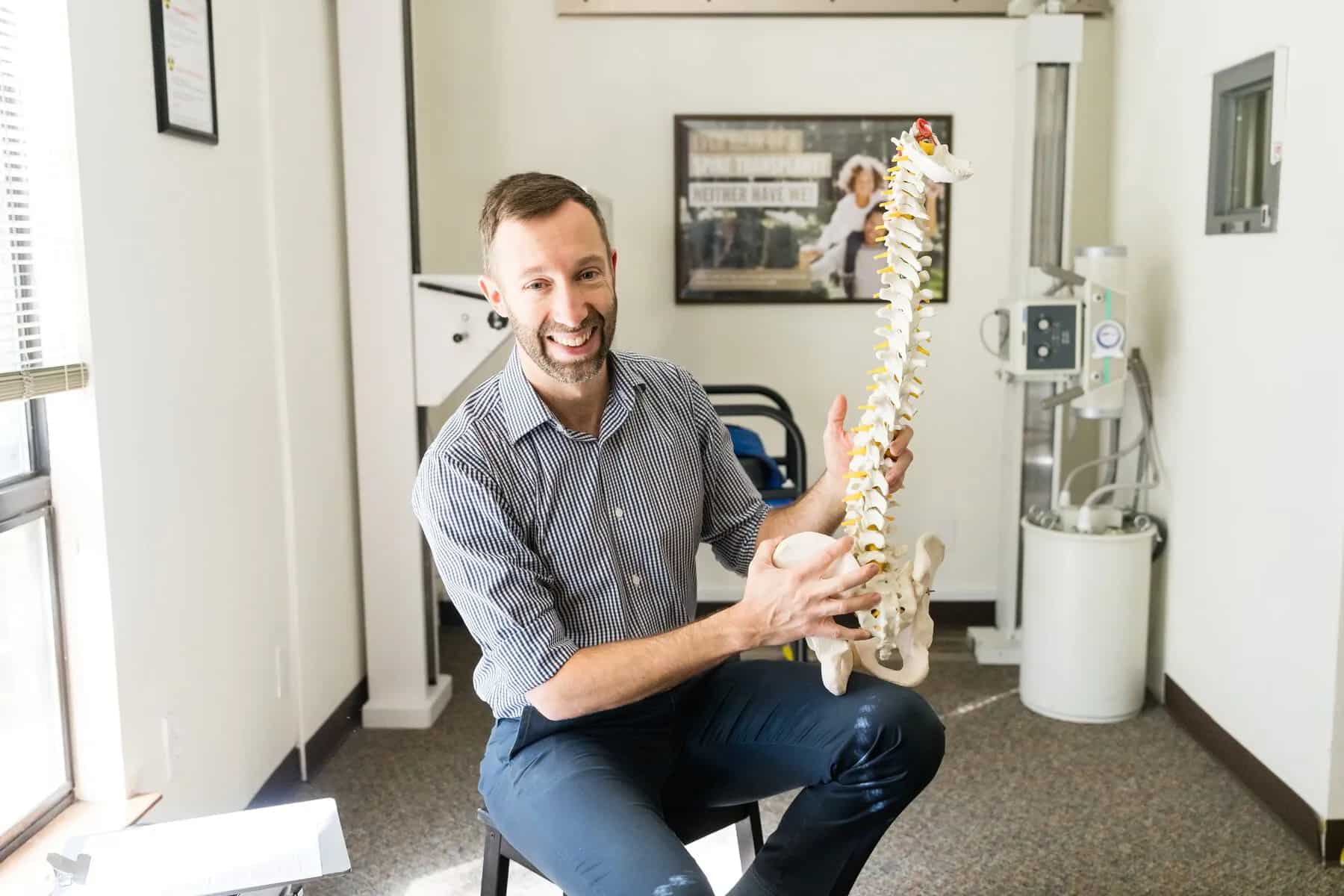
Here’s what most dentists and doctors don’t consider: your jaw function is intimately connected to your upper cervical spine. The atlas and axis vertebrae – the top two bones in your neck – have a profound influence on jaw mechanics through both neurological and structural pathways.
Your upper cervical spine houses incredibly dense concentrations of nerve receptors that communicate with the muscles controlling your jaw. When your atlas or axis is misaligned, even by a few millimeters, it disrupts these nerve signals. The result is muscle imbalances that create abnormal tension and movement patterns in your jaw.
Think of it like a puppet with tangled strings. Your jaw wants to move smoothly, but the mixed signals from your misaligned neck create uncoordinated muscle firing that stresses your TMJ.
How Austin’s Lifestyle Creates the Perfect Storm
Living in Austin presents unique challenges that can create both upper cervical misalignments and TMJ problems. Our tech-heavy economy means many people spend hours hunched over computers, creating forward head posture that strains the upper neck. This “tech neck” doesn’t just cause neck pain – it creates compensatory changes in how your head sits on your spine, which directly affects jaw mechanics.
Austin’s notorious traffic adds another layer of risk. Even minor fender-benders on I-35 can cause whiplash injuries that misalign your upper cervical spine. Many people don’t realize that the neck trauma from a car accident can manifest as jaw problems weeks or months later. Your body is incredibly interconnected – an injury to your neck can show up as pain in your jaw.
Our city’s stress culture doesn’t help either. High-pressure work environments, financial stress from Austin’s rising cost of living, and the constant hustle of keeping up in a competitive city all contribute to jaw clenching and teeth grinding. But here’s the key insight: stress-related jaw clenching is often worse when your upper cervical spine is misaligned because the muscle tension patterns are already dysfunctional.
The Structural Domino Effect
When your atlas or axis shifts out of proper alignment, it changes how your head balances on your spine. Your body is brilliant at compensation, but these compensations come at a cost. Even a slight head tilt creates uneven muscle tension that travels down through your neck and up into your jaw muscles.
The muscles that move your jaw don’t exist in isolation. They’re part of a complex system that includes your neck muscles, shoulder muscles, and the muscles at the base of your skull. When your upper cervical spine is misaligned, it creates a cascade of muscle imbalances. Your jaw muscles have to work harder to compensate for the altered head position, leading to fatigue, spasms, and the characteristic pain of TMJ disorders.
Over time, this abnormal stress on your temporomandibular joints can lead to inflammation, cartilage damage, and chronic dysfunction. You might treat the jaw symptoms with splints, medications, or dental work, but if the underlying cervical misalignment isn’t addressed, the TMJ problems will likely persist or return.
Why Traditional TMJ Treatments Often Fall Short
Night guards can protect your teeth from grinding damage, but they don’t address why you’re grinding in the first place. Anti-inflammatory medications can reduce pain temporarily, but they don’t correct the structural problems creating that pain. Even surgical interventions on the jaw joint itself may fail if the upper cervical component is ignored.
This is why so many TMJ patients end up frustrated after trying treatment after treatment. They’re addressing the symptoms in the jaw while the root cause in the neck continues to create problems. It’s like mopping up water from a leaky pipe without ever fixing the pipe itself.
The Blair Upper Cervical Approach to TMJ Relief
At Full Life Chiropractic, we use Blair Upper Cervical technique to identify and correct the specific spinal misalignments that often contribute to TMJ disorders. This approach is particularly effective because it’s incredibly precise and addresses the neurological and structural factors simultaneously.
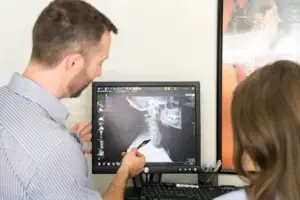
We start with detailed imaging that shows us exactly how your atlas and axis have misaligned. This isn’t guesswork – we can see the specific direction and degree of misalignment, allowing us to make corrections tailored to your unique situation.
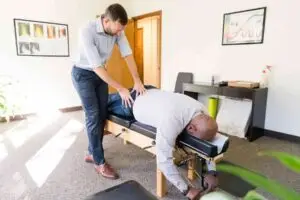
The adjustments themselves are gentle and precise. There’s no forceful manipulation or the cracking and popping many people associate with chiropractic care. We use light, specific pressure to encourage your vertebrae back into proper alignment.
What Happens When We Correct Upper Cervical Misalignments
Once your upper cervical spine is properly aligned, several beneficial changes occur that can dramatically improve TMJ symptoms. Nerve communication between your brain and jaw muscles normalizes, allowing for better coordination and reduced muscle tension. The muscles supporting your jaw and head achieve better balance, reducing abnormal stress on the temporomandibular joints.
Your head sits properly on your spine, eliminating compensatory patterns that were straining your jaw. Overall muscle tension in your face, neck, and shoulders decreases as your body no longer needs to compensate for spinal misalignment.
Many patients are surprised at how quickly they notice changes. Some experience reduced jaw pain and improved mouth opening within the first few visits. Others notice that the clicking and popping in their jaw gradually diminishes. Headaches that seemed related to TMJ often improve or disappear entirely.
Beyond Just Jaw Relief
One of the most rewarding aspects of treating TMJ through upper cervical care is that patients often experience improvements in other areas they didn’t even mention. Better sleep quality because they’re not grinding their teeth as much. Reduced neck and shoulder tension. Fewer headaches overall. Better posture and less fatigue.
This makes perfect sense when you consider that we’re addressing a fundamental structural problem rather than just managing jaw symptoms. When your upper cervical spine functions properly, it creates positive ripple effects throughout your entire body.
Austin Success Stories
We’ve helped numerous Austin residents overcome TMJ pain that had been plaguing them for years. A graphic designer who couldn’t eat anything but soft foods due to jaw pain. A teacher whose constant jaw clicking was audible to her students. An attorney who suffered through depositions with facial pain so severe she could barely concentrate.
The common thread in these success stories is that traditional dental treatments had provided minimal relief, but once we identified and corrected their upper cervical misalignments, their TMJ symptoms resolved. Many of these patients had never considered that their neck could be connected to their jaw problems.
Is Your Neck the Missing Piece?
If you’ve been dealing with TMJ pain that hasn’t responded well to traditional treatments, it’s time to consider the upper cervical connection. Many people suffer with jaw problems for years, spending significant money on dental interventions, when the root cause was actually in their neck all along.
TMJ disorders can significantly impact your quality of life, affecting your ability to eat comfortably, speak without pain, and get restful sleep. But when the underlying cause is upper cervical misalignment, these problems are often very treatable with the right approach.
Ready to explore whether your neck might be causing your TMJ pain? Book your consultation today by clicking the “Book Appointment” button above or you can find more information here and discover how Blair Upper Cervical care might finally resolve your chronic jaw problems.
Don’t spend another month dealing with jaw pain that might be completely preventable. See what other Austin residents are saying about finding relief from TMJ disorders through upper cervical care on our Google reviews, and if you’re not from Austin, check out this directory to find an upper cervical chiropractor near you – your pain-free jaw is waiting!