If you’ve got Meniere’s Disease, you know exactly what I’m talking about – those sudden vertigo attacks that make the room spin so violently you can’t stand up. The ringing in your ears that never quite goes away. The feeling of fullness in your ear like you just got off an airplane. And that gradual hearing loss that’s honestly terrifying.
Here’s the thing though: what if I told you that your neck might be the key to getting your life back?
At Full Life Chiropractic in Austin, we’ve seen some pretty incredible results with Meniere’s patients once we address what’s going on at the very top of their spine. I know, I know – you’re thinking “my neck? Really?” But stick with me here.
What Even Is Meniere’s Disease?
Meniere’s is basically your inner ear freaking out. The textbook explanation is that there’s too much fluid building up in your inner ear, but honestly? Nobody really knows for sure why it happens. What we do know is that it’s absolutely miserable to live with.
You’re going about your day and boom, everything starts spinning. You’re sweating, nauseous, and desperately looking for somewhere to sit down before you fall down. It can last 20 minutes or go on for hours. And you never know when it’s going to hit.
Between attacks, you’ve got this constant ringing or buzzing in your ear (that’s tinnitus, if you want to get technical). That fullness in your ears is always there, and your hearing comes and goes, and you’ve probably noticed it’s getting worse over time.
The Upper Cervical Connection Nobody’s Talking About
Here’s where it gets interesting. Your inner ear – the part causing all this trouble – gets its directive from your brainstem. And your brainstem? It sits right at the top of your neck, protected by those first two vertebrae called the atlas and axis.
When those bones get knocked out of alignment – even just a tiny bit – it can mess with the signals going to your inner ear. It can also affect blood flow and fluid drainage in that whole area. Basically, a misaligned neck can create the perfect conditions for Meniere’s symptoms to develop.
Think about it: have you ever had whiplash? Even a minor car accident? A sports injury? A bad fall? Sometimes these injuries happen years before Meniere’s symptoms show up, so people never connect the dots.
Why This Matters for Austin Folks
Living in Austin, we’re all at risk for neck injuries we don’t even think about. Fender-benders, falls and years hunched over a laptop. All of these can create upper cervical misalignments that might contribute to Meniere’s down the road.
And here’s the frustrating part: most doctors treating Meniere’s never even look at your neck. They’re focused on your inner ear, prescribing diuretics, recommending low-salt diets, maybe suggesting surgery in severe cases. And sure, those things might help some, but if your neck is part of the problem, you’re missing a huge piece of the puzzle.
The Blair Upper Cervical Approach
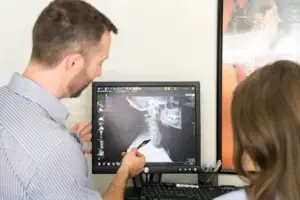
This is where Blair Upper Cervical technique comes in. We use super precise imaging to see exactly how your upper cervical vertebrae have shifted out of place. No guessing, no generic adjustments – we can actually see what’s going on.
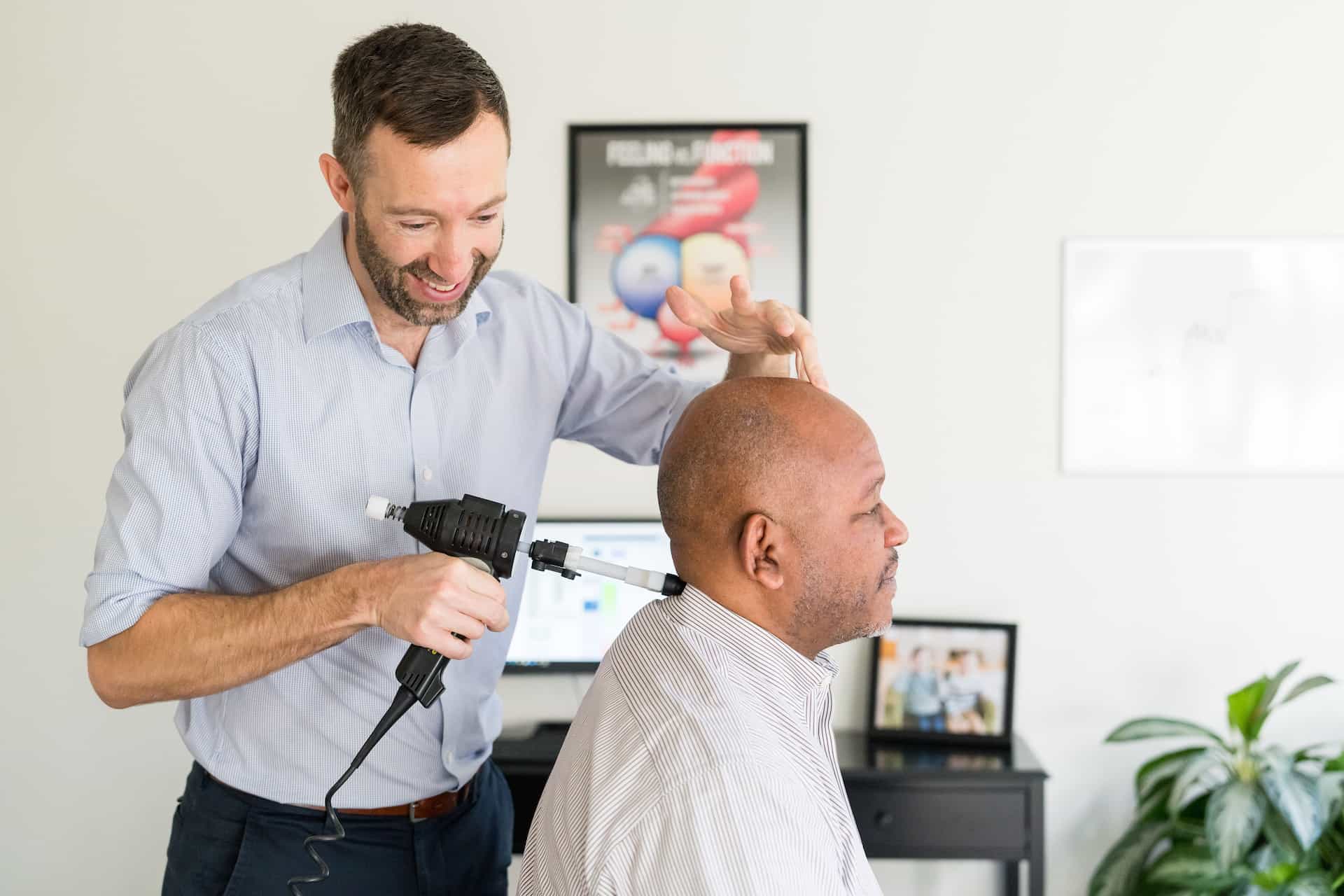
Then we make these incredibly gentle corrections to get those bones back where they belong. And I mean gentle – this isn’t the crack-and-pop stuff you might be picturing. Most people are surprised at how subtle the adjustments are.
Here’s what we’ve seen happen when we correct upper cervical misalignments in Meniere’s patients: vertigo attacks become less frequent and less severe. Sometimes they stop altogether. The ear fullness often improves. The ringing might quiet down or become less bothersome. Some people even notice their hearing stabilizes or slightly improves.
Real Talk: Is This Going to Work for You?
We’re not promising miracles. Every case of Meniere’s is different, and everybody responds differently to treatment. But here’s what I can tell you: if you’ve got an upper cervical misalignment contributing to your Meniere’s (and many people do), addressing it makes logical sense.
We’ve had Austin residents who were basically housebound by Meniere’s get back to living normal lives. People who were afraid to drive, couldn’t work, had given up on their favorite activities – now they’re back to enjoying everything Austin has to offer.
The thing is, you won’t know if this is part of your solution unless you get evaluated. And honestly, if you’ve tried everything else and you’re still suffering, isn’t it worth checking out your neck?
What Have You Got to Lose?
Meniere’s disease can steal your quality of life. It can cost you your job, your social life, your confidence, and your independence. If there’s even a chance that a structural problem in your neck is contributing to your symptoms, doesn’t it make sense to find out?
Ready to explore whether your neck might be the missing piece in your Meniere’s puzzle? Book your consultation today by clicking the “Book Appointment” button above or you can find more information here and let’s see if we can help you get your life back.
Don’t let another month go by wondering if there’s something you haven’t tried yet. See what other Austin residents dealing with balance and ear issues are saying about their experience on our Google reviews – your steady, vertigo-free life might be closer than you think!